ZAGBOX
A brand of exceptionally sustainable decorative containers, which I took from napkin sketch to successful Kickstarter and retail distribution.
Duration
3 years
Team
Solo
Role
Founder
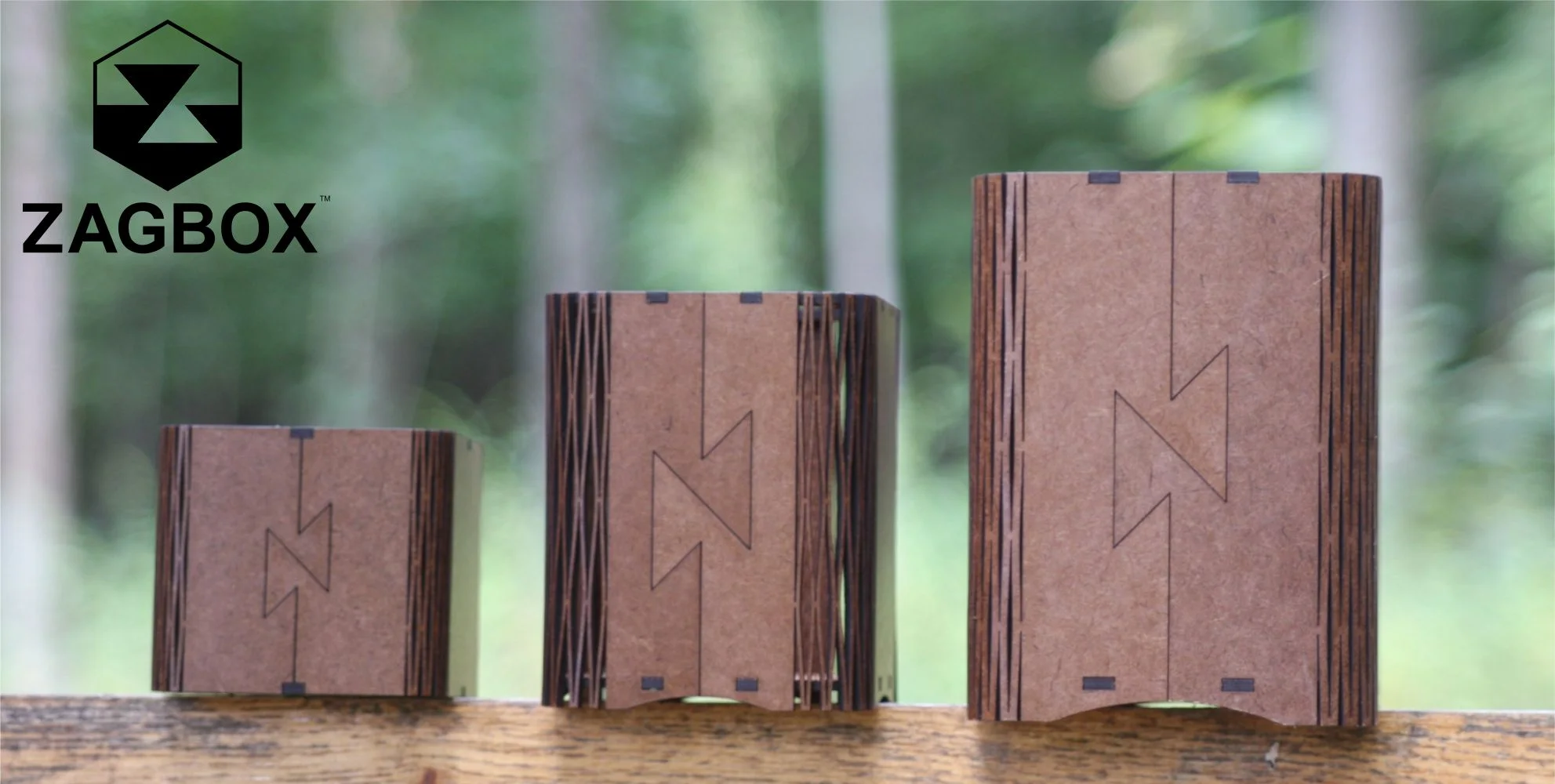
The 3 original designs: Lichen, Moss, and Fern Zagboxes
OVERVIEW
Zagbox is a line of environmentally sustainable containers I created for displaying and organizing household objects. They are flat-packed and assembled like a puzzle by users.
I launched Zagbox on Kickstarter fall 2014 and ran it part time part time during my masters in the Stanford Design Program.
Zagbox was my largest entrepreneurial undertaking at the time, and my most comprehensive project in assimilating multiple disciplines. I decided to approach it as a learning opportunity and tackled nearly every aspect myself (materials and sustainability research, design and manufacturing, video/photo/web/promotion/trade shows, logo and packaging design, customer service, etc.) . Although I could have outsourced some aspects for the sake of efficiency, I believed that a deeper understanding of product creation and launch would allow me to move faster on future projects.
Some of the recognition Zagbox has received:
Editor's Choice Award at the World Maker Faire
Selected for designboom mart at Toronto Interior Design Show
Accepted to SustainAbility display at NYNOW (NY Gift Show)
Kickstarter staff pick
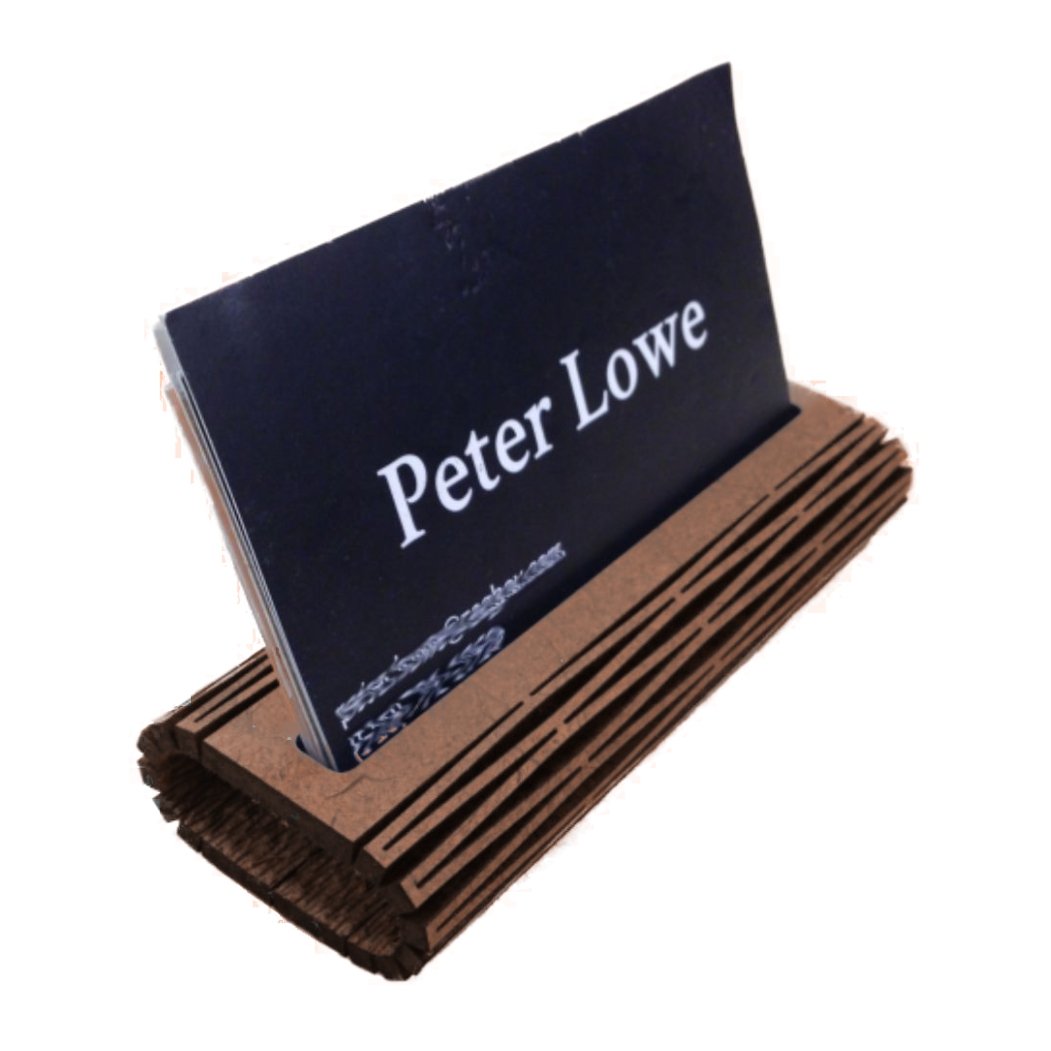
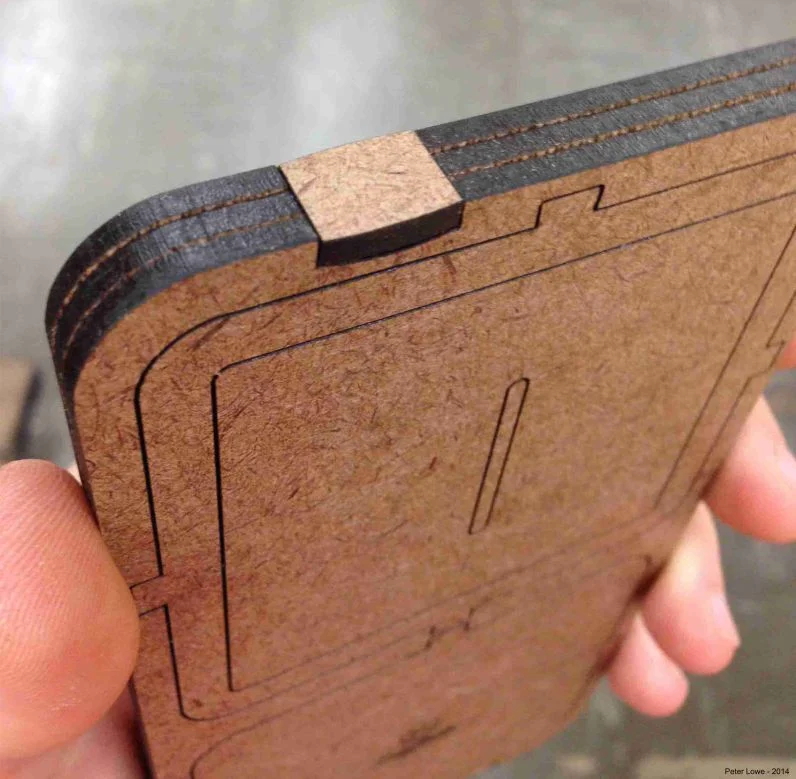
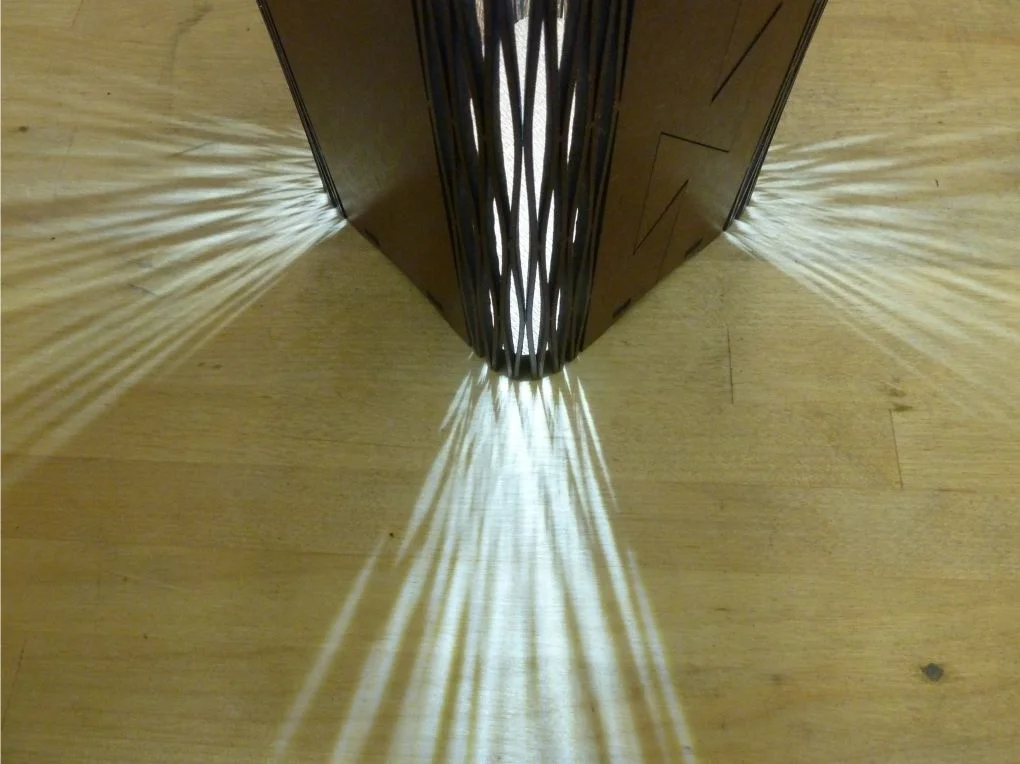
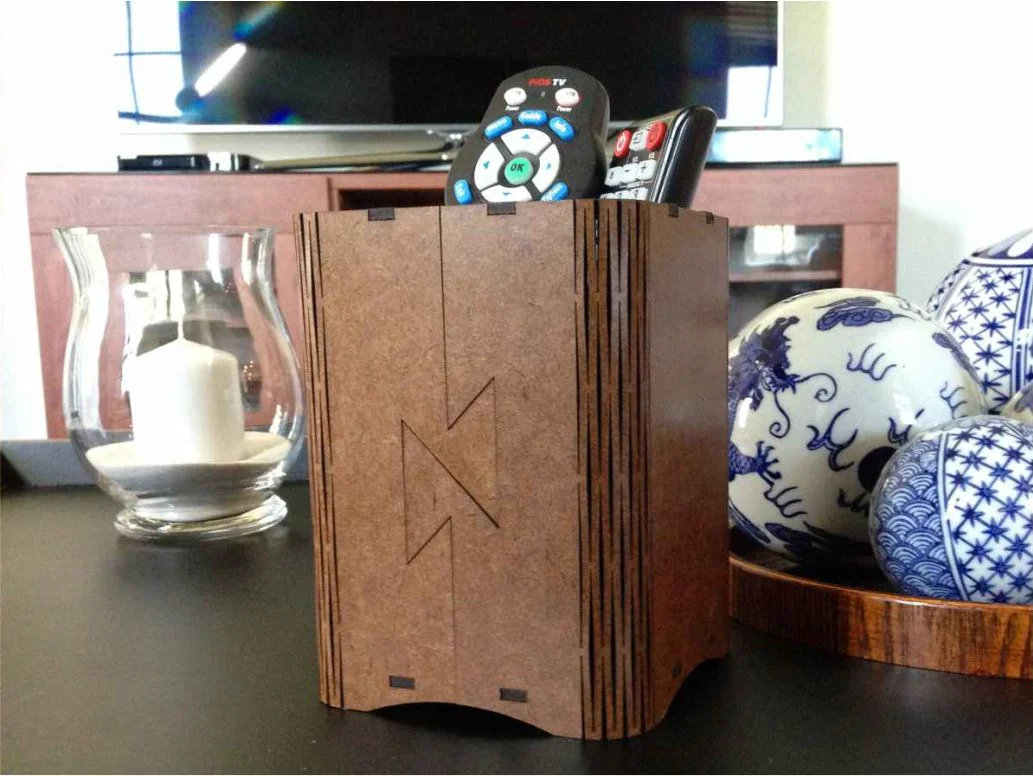
To minimize environmental impact, the boxes are made of FSC-certified wood and natural shellac finish (which means the final product is compostable), produced with renewable energy, and shipped flat to reduce packaging needs and shipping impact. You can learn more about this in the “sustainability details” footnote.
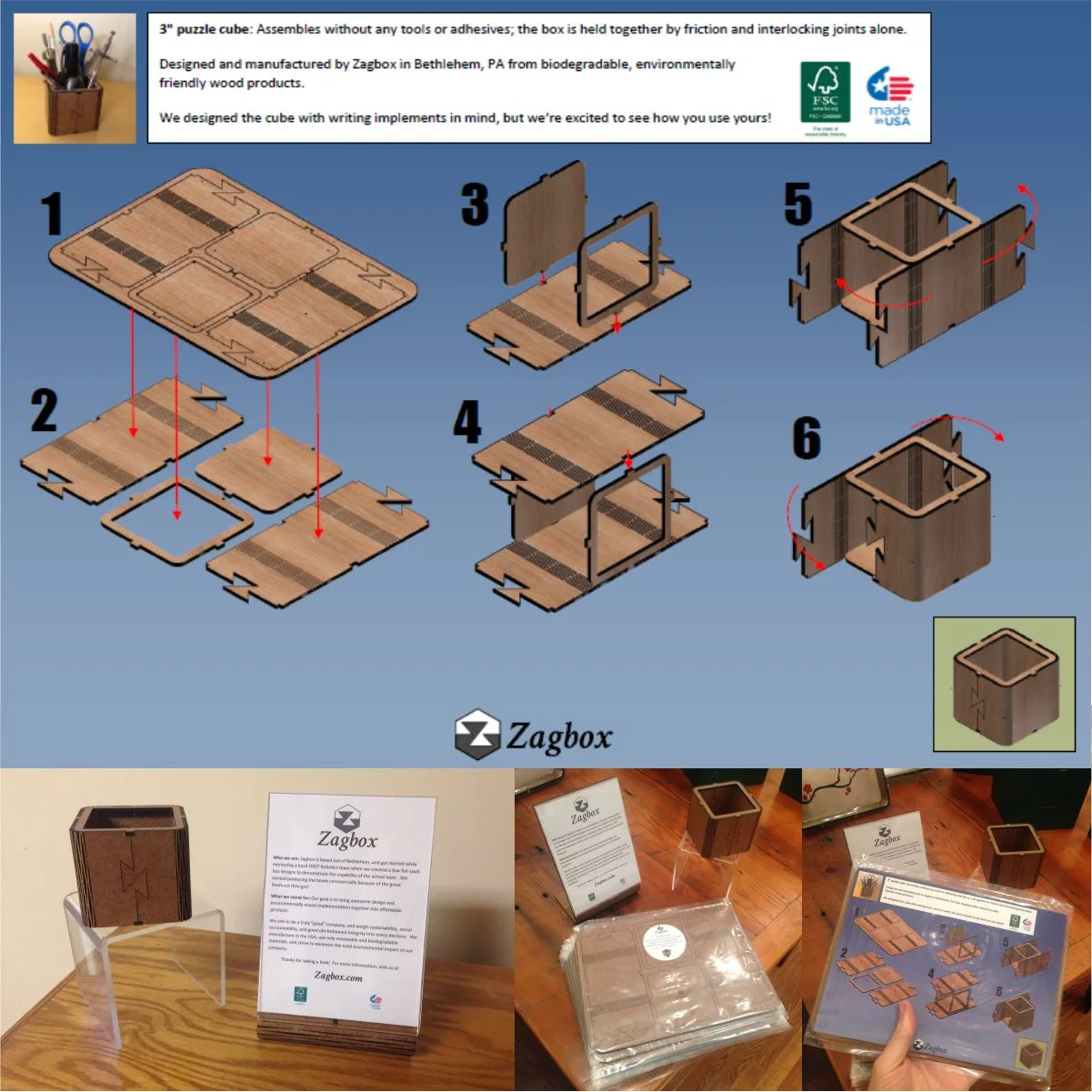
The unique appearance of the designs derives from being designed to assemble easily. "Living hinge" edges make the wood flexible, allowing a single piece of material to fold and comprise multiple sides. Dovetail joints snap into place and join the pieces securely.
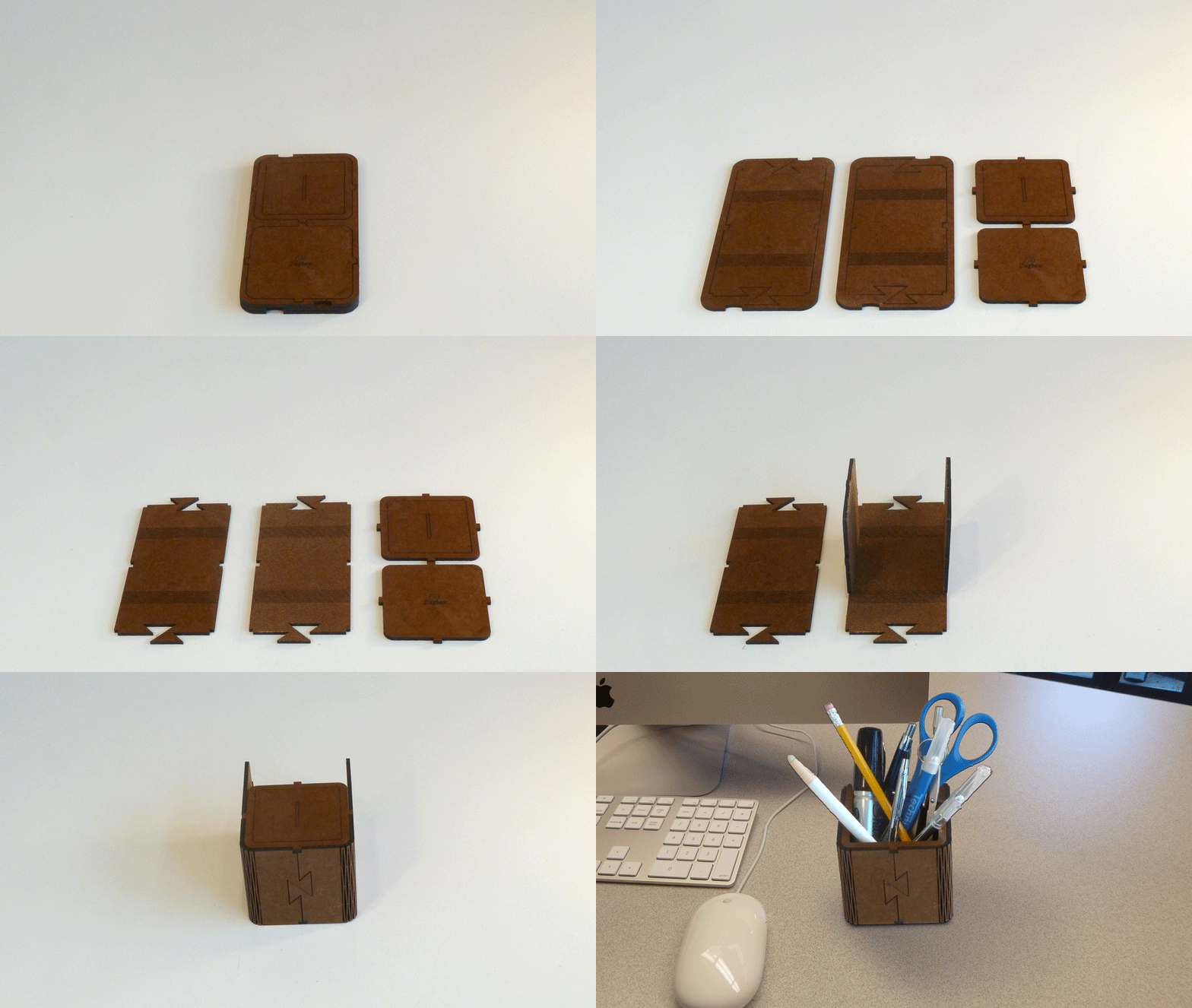
Flat pack assembly GIF for “Lichen”
Start and design
I made the first box to demonstrate 2D and 3D design to the FIRST high school robotics team I was mentoring, and people got so excited about the design that I decided to develop it further. I was very interested in the challenge of sustainable design and saw the potential to combine natural materials and flat-pack to develop the boxes into a product line with very low environmental impact.
I kept the product line minimal for the initial launch, although I created additional designs to explore options for future additions.
It took numerous iterations to refine the geometry and cutting process, and I benchmarked numerous laser cutter brands. Tuning the design and cutting process to achieve a consistent snap-fit on the parts with minimal cutting time turned out to be a fairly involved process. I spent so much time tweaking the laser at my local Fab Lab workshop that I ended up being persuaded to develop and teach a new curriculum for it!
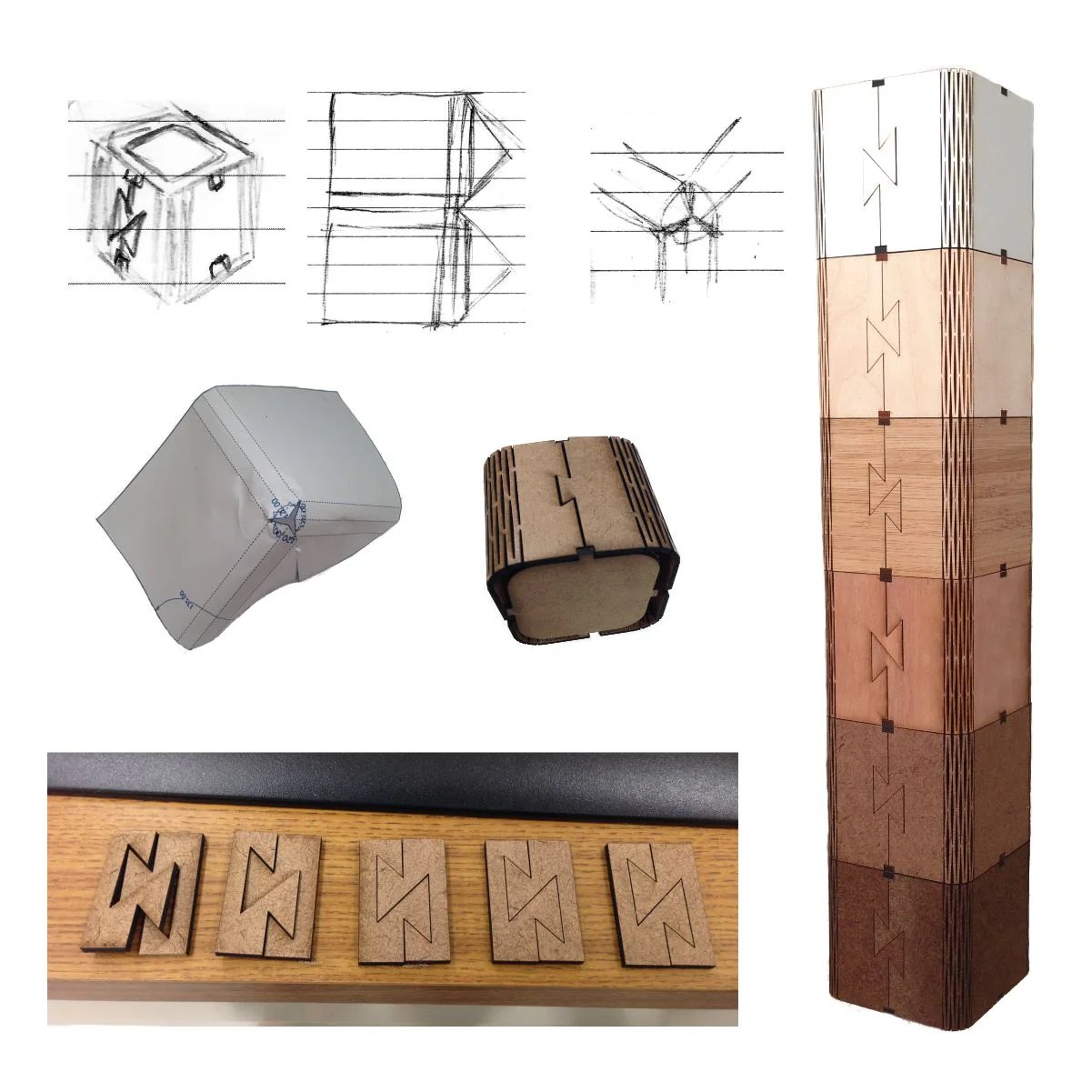
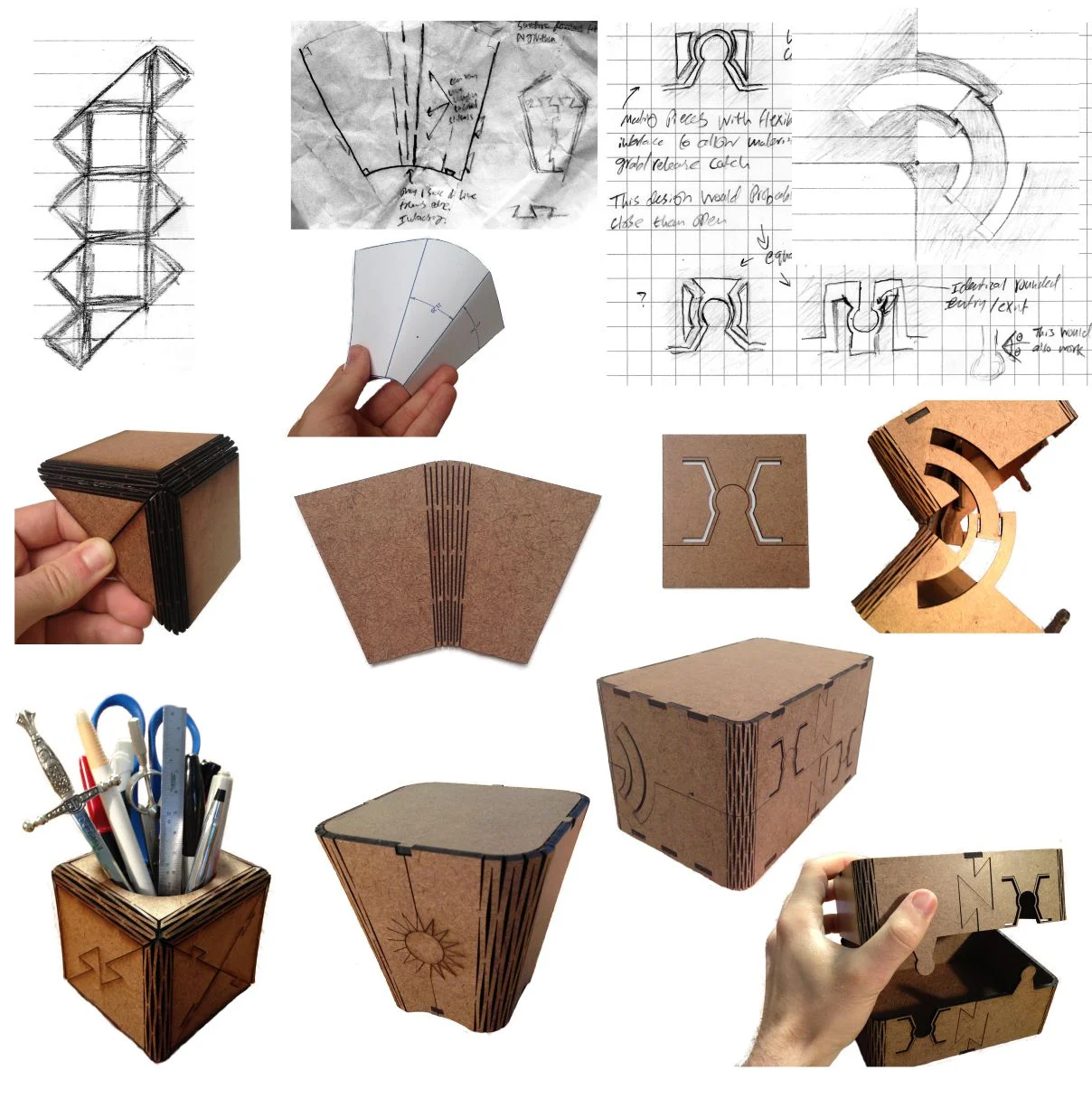
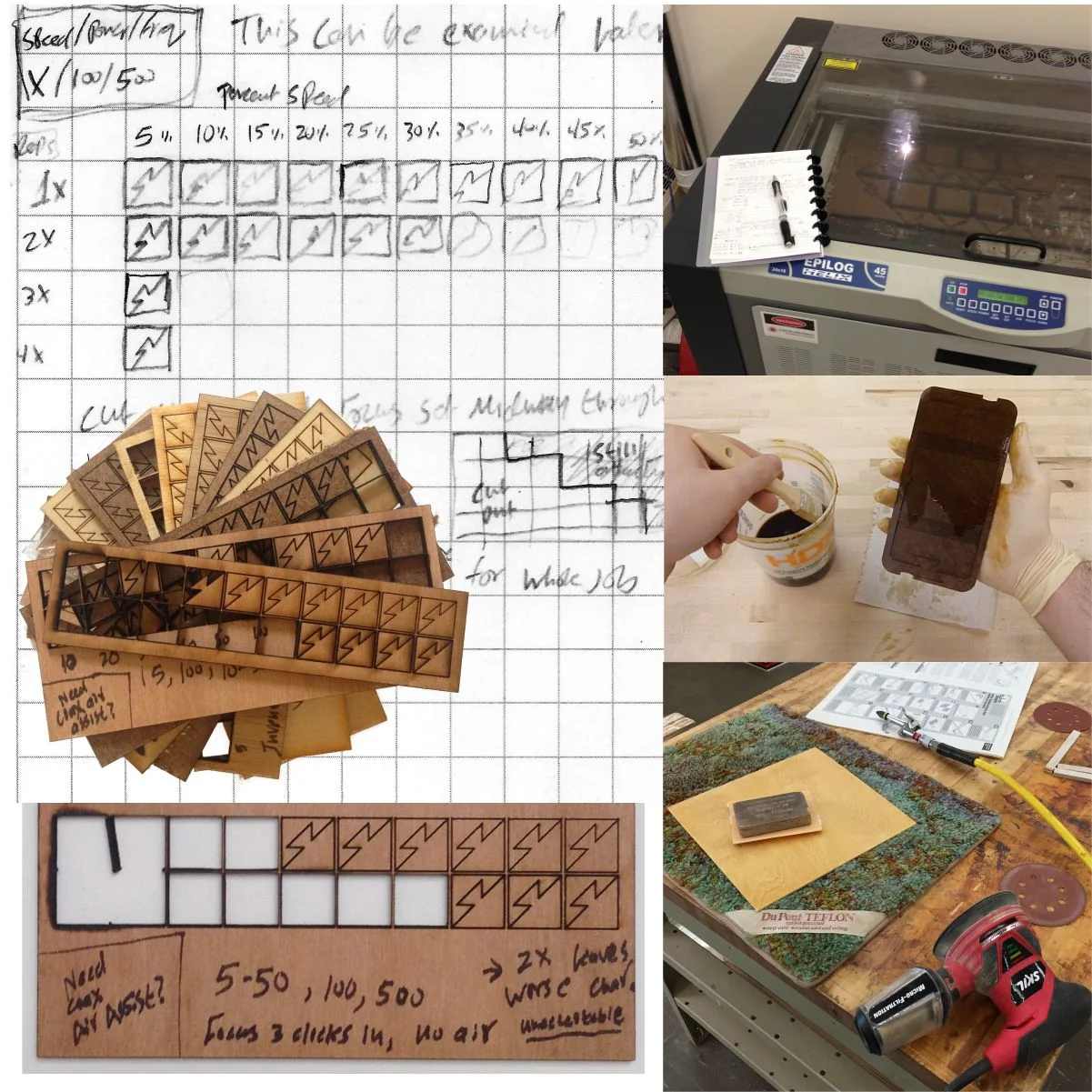
Due dilligence and preparation for launch
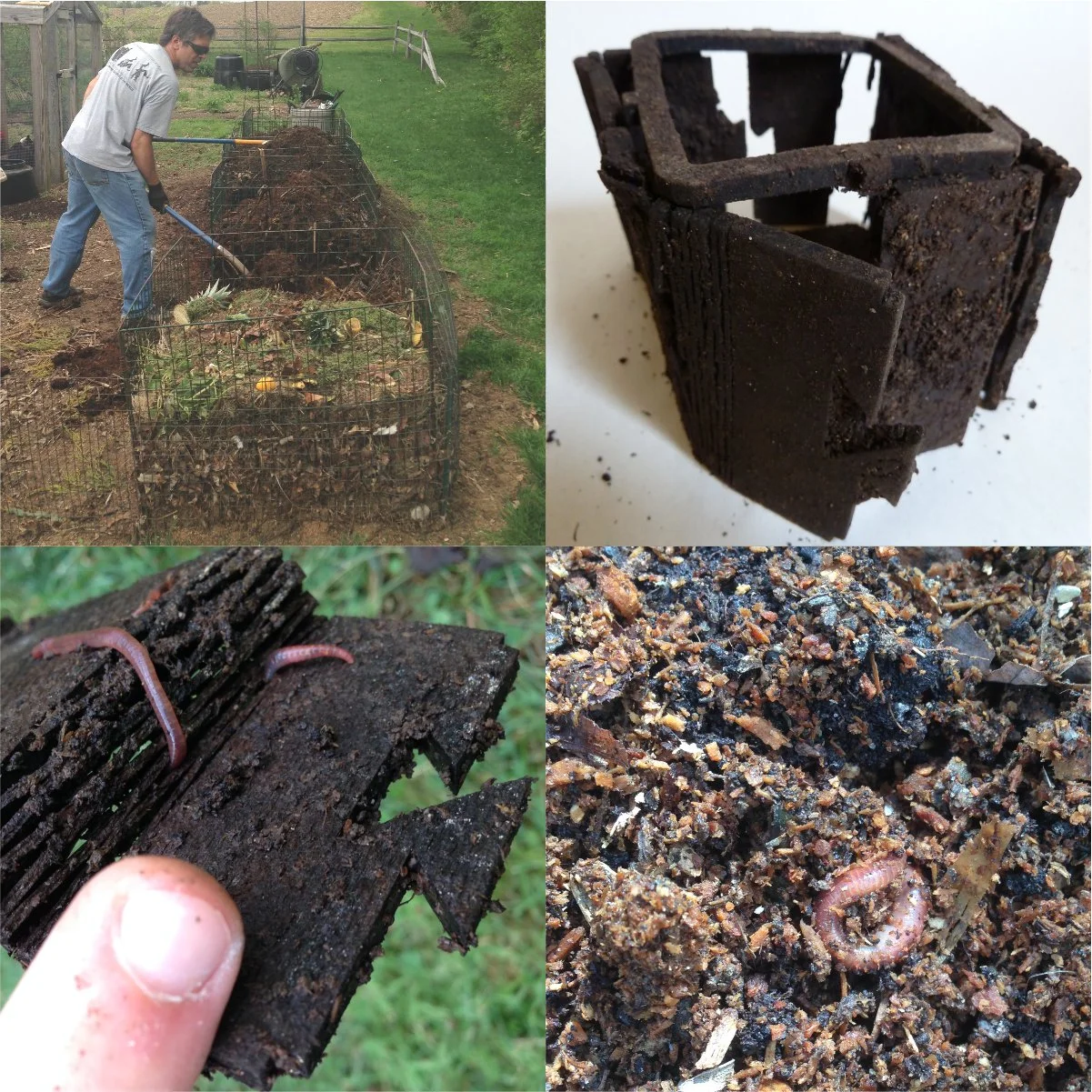
As part of my uncompromising approach to sustainability, I wanted to ensure the materials I was working with were truly biodegradable before I promised it in my marketing materials and undertook biodegradability testing myself. I put the boxes in mesh bags made of non-biodegradable plastic, buried them in a compost heap, and checked on them each week when I turned the compost to see the progress. It took about 3 months before the pieces were so decomposed that they had escaped through the mesh in the bag and couldn’t be identified from the other material in the compost. In the process of testing I discovered that earthworms like to entwine themselves in the decomposing living hinges!
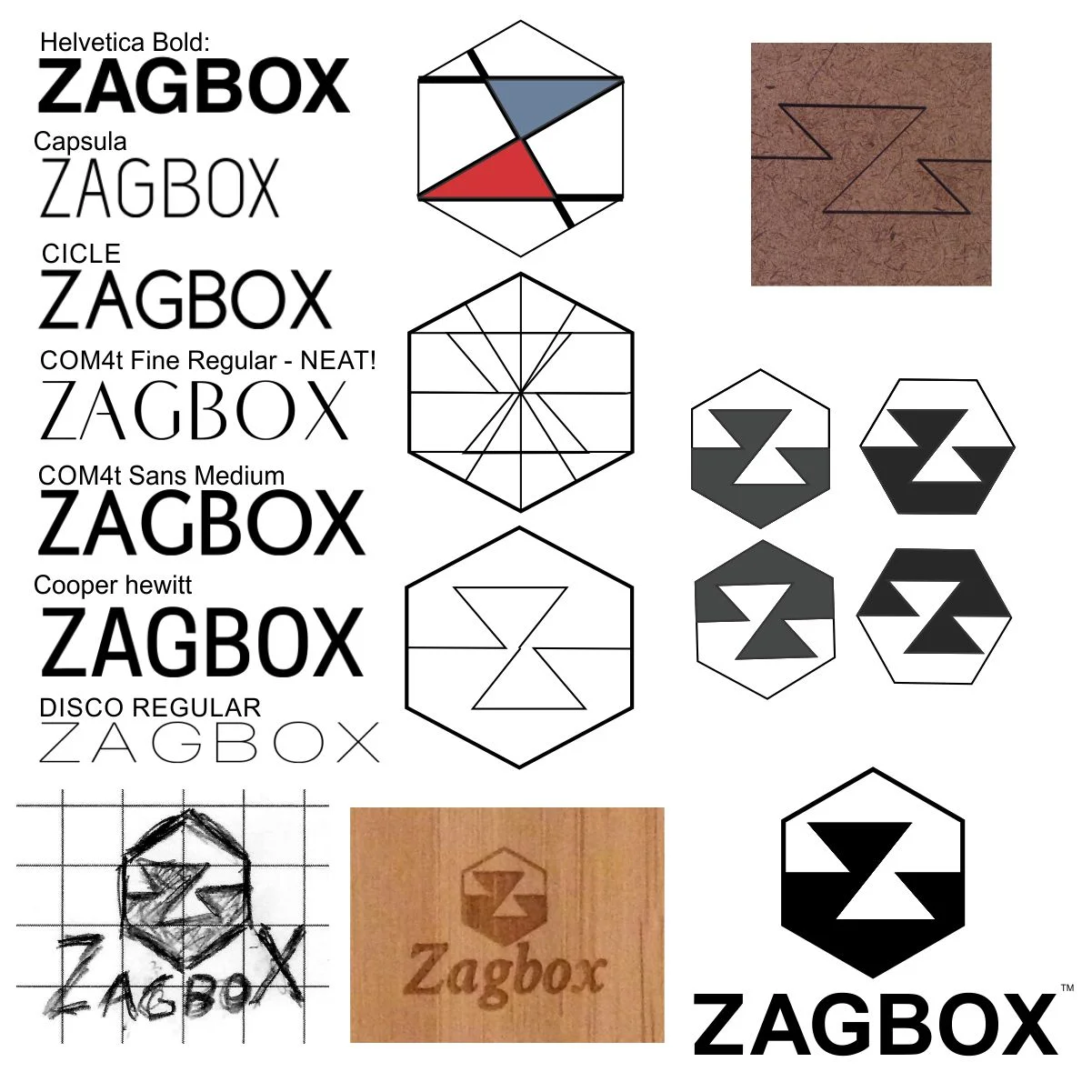
Then it came time to name the business. To investigate business names with available domains, I found a bulk domain lookup tool and software which automatically combined words for me. I then searched every 2 and 3 letter English word with "box" appended, and found that "zagbox.com" was available. It had all the qualities I wanted: it was short, memorable, suggested the boxes' angular look, and had attitude!
I wanted a logo which conveyed beauty and geometric purity, and was inspired by Japanese mon emblems. My experiments with designing a "superhero-style" logo resulted in the Zagbox "double dovetail" box closure inside a hexagon. This resembles a sort of M.C. Escher-esque yin-yang, as well as a "Z" for "Zagbox". I think this clearly suggests the geometric aspect of the boxes while subtly hinting at Zagbox’s environmental mission.
Launch
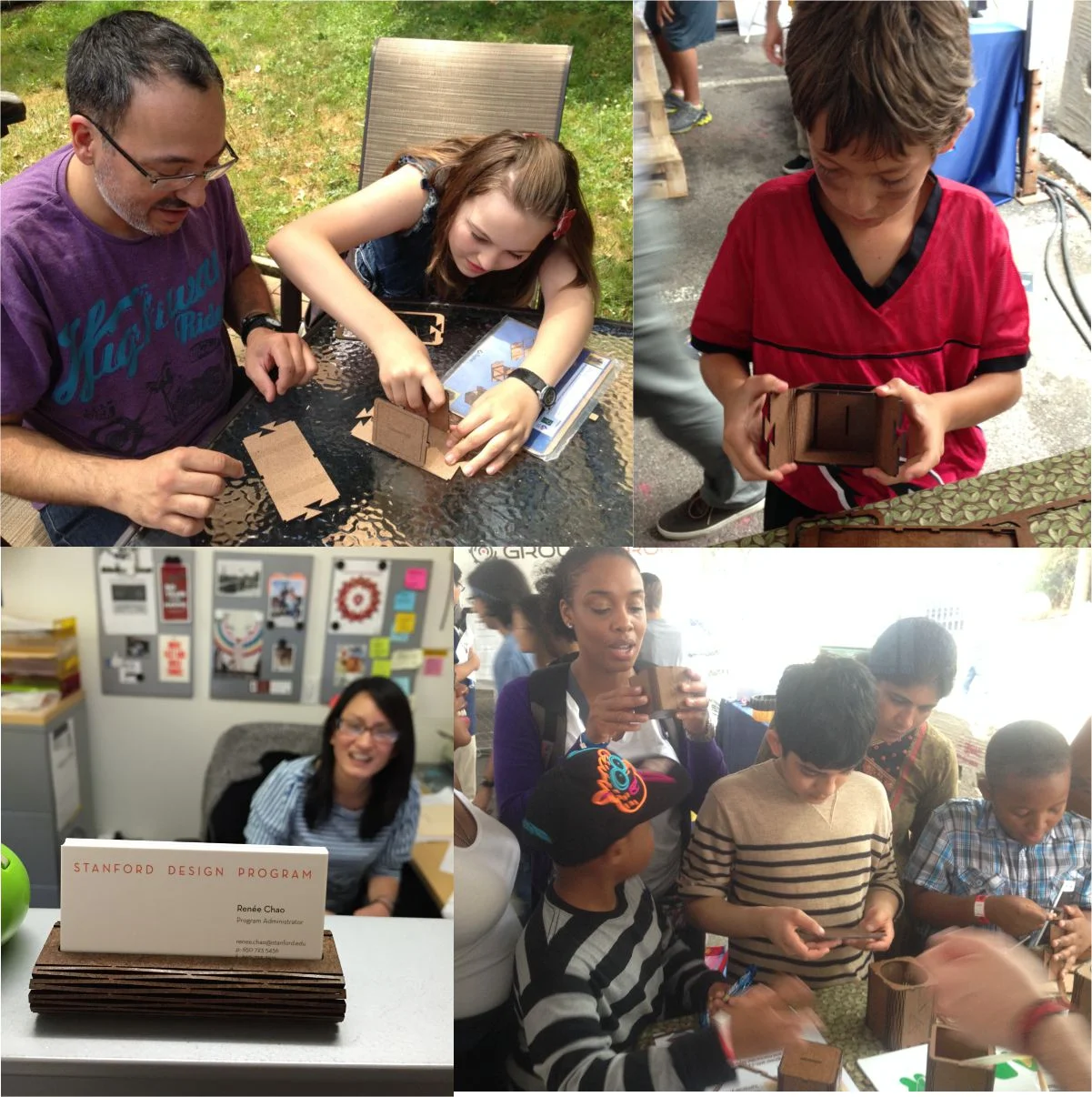
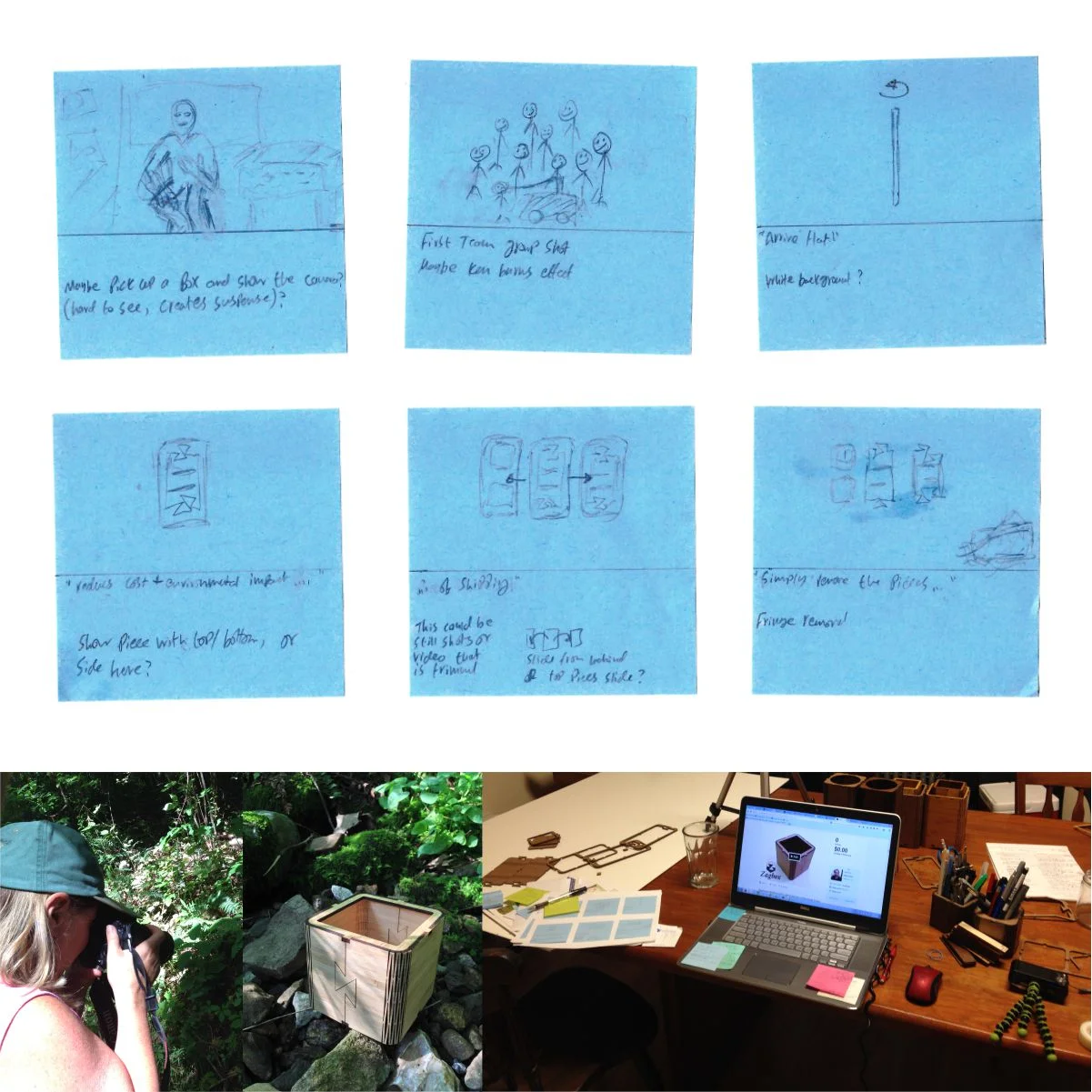
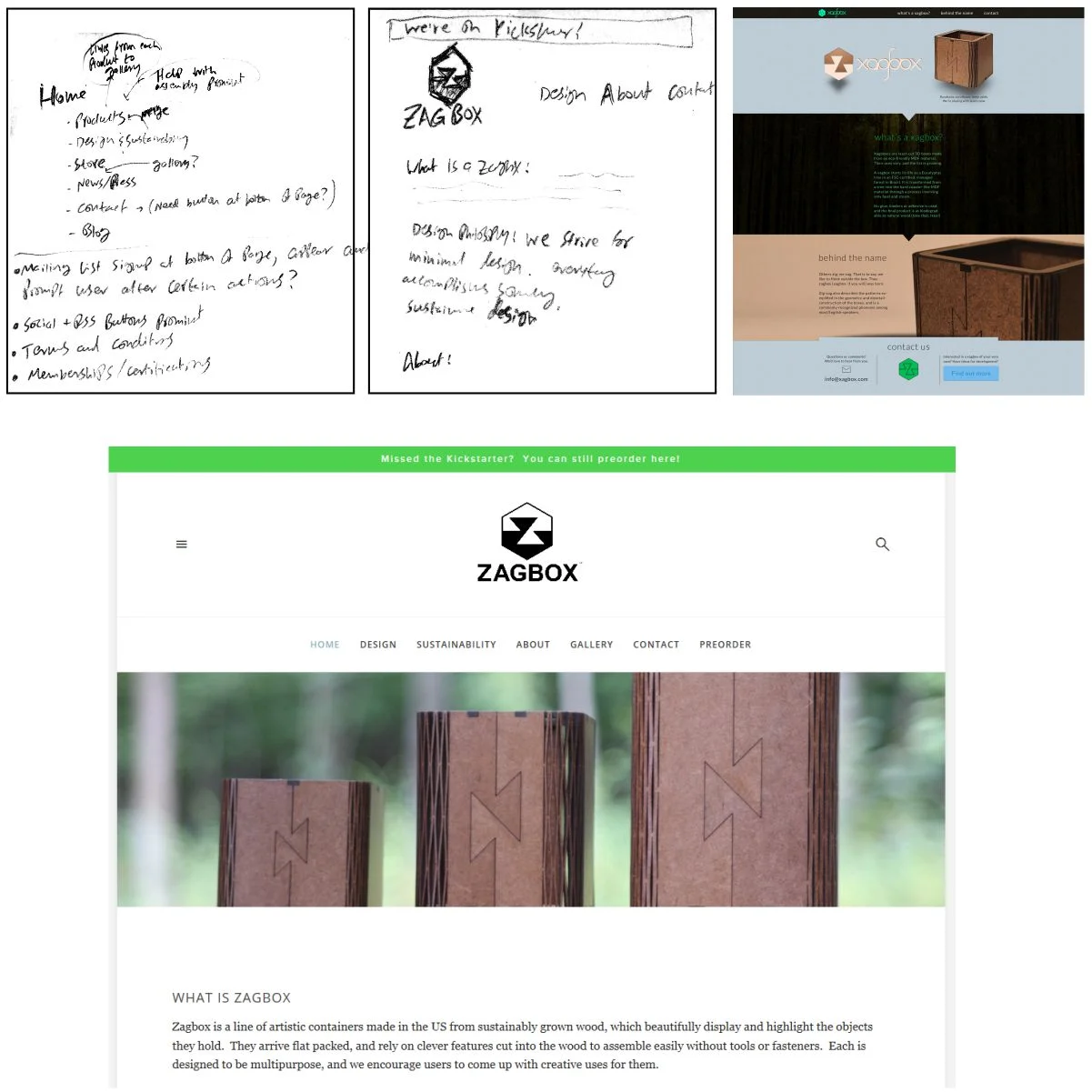
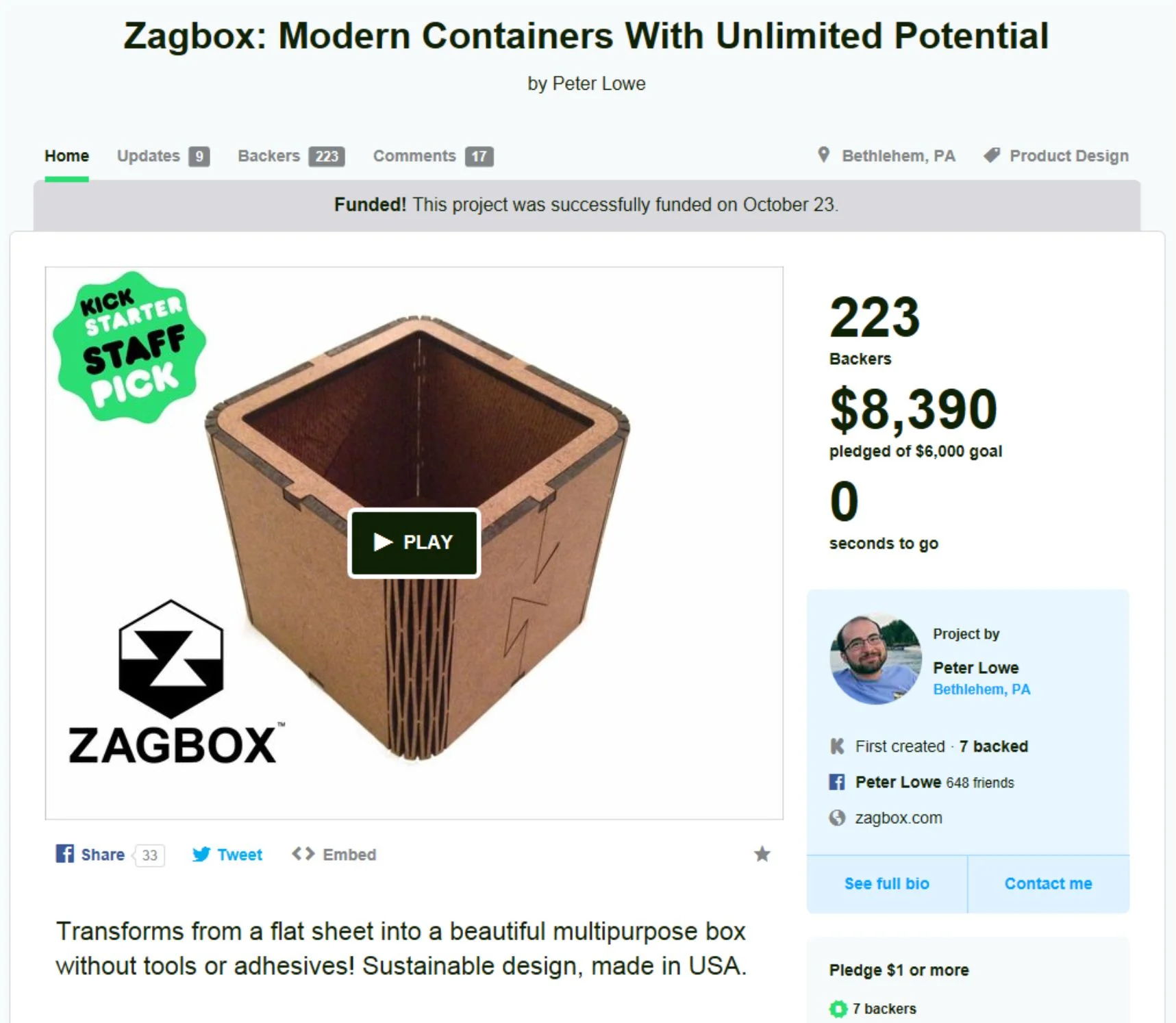
After testing in local stores and art shows, I chose to do my official launch on Kickstarter to help gain media attention. I planned, shot, and edited my Kickstarter photos and video and designed my website.
To prepare for the Kickstarter launch, I compiled a spreadsheet of relevant media and their impact (based on PageRank), created article drafts and press kits about the campaign, and secured interest from a number of websites to spread the campaign. Once I had reached my funding goal, I reached out to higher-tier news sources and managed to get additional coverage.
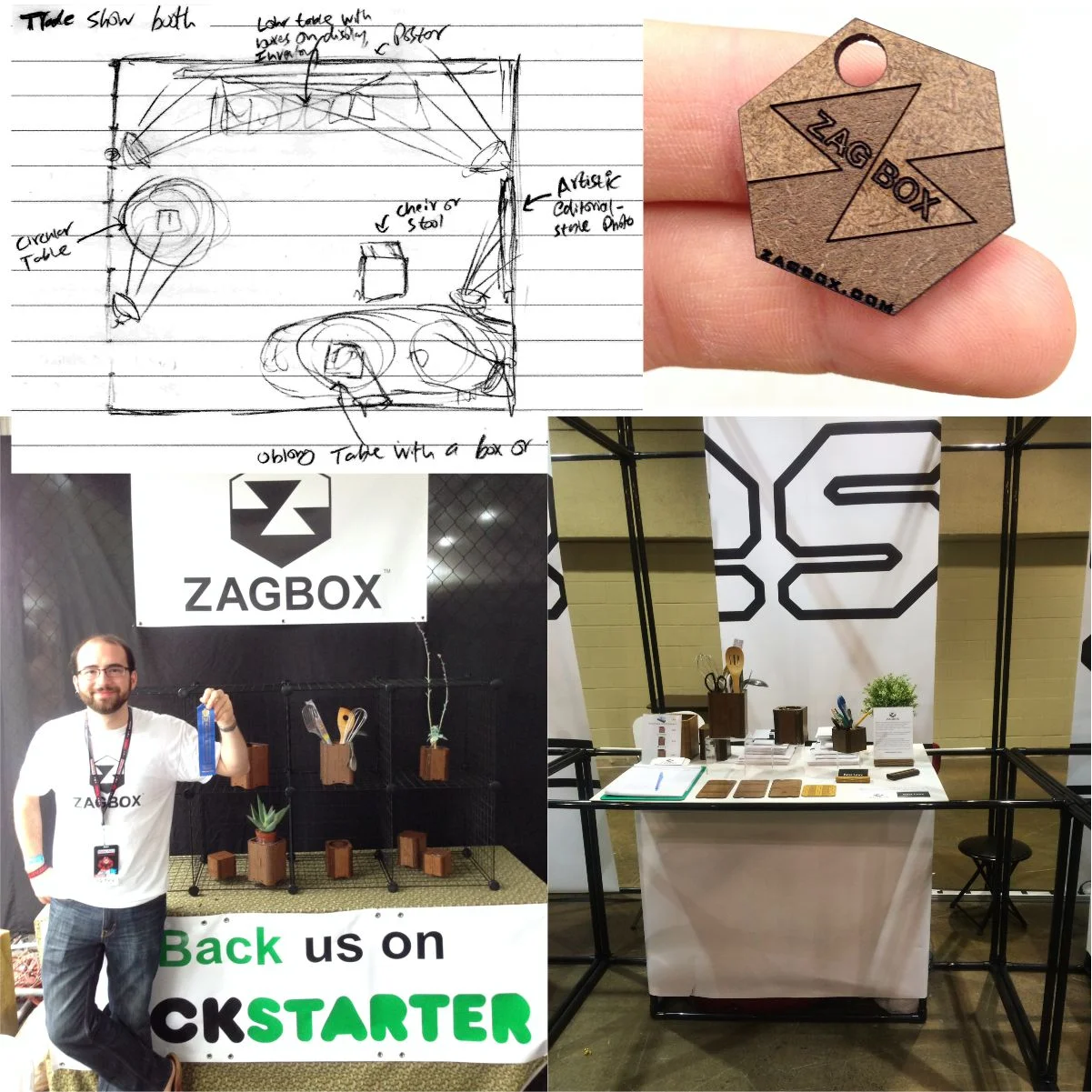
I launched at World Maker Faire NY to help jump-start sales, and was selected for exhibition after the campaign in designboom mart at the Toronto Interior Design Show which I used to secure a number of retail accounts.
Manufacturing and post-sales
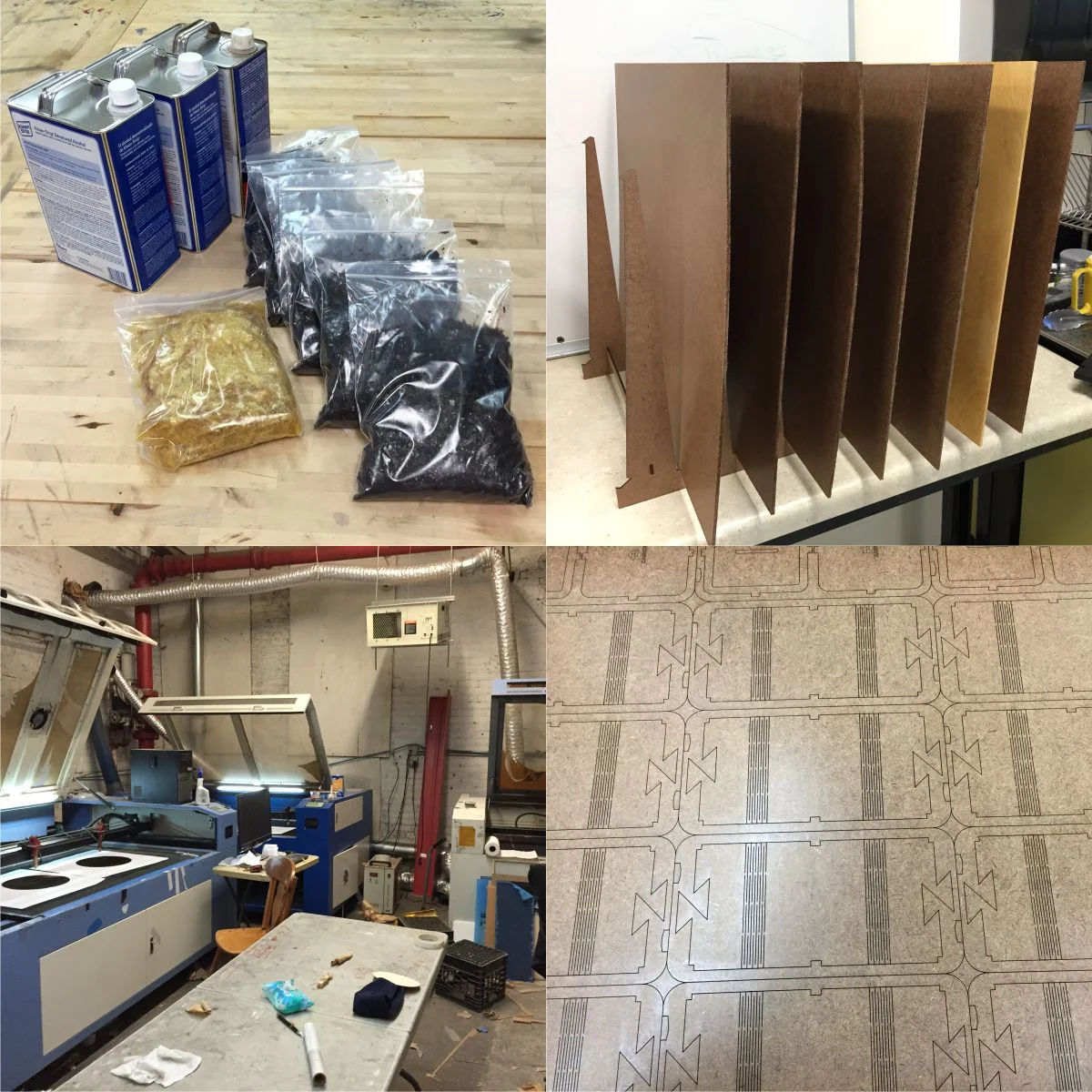
To produce Zagboxes at greater scale I secured access to a number of laser cutters and refined my bulk wood finishing process. I designed various fixtures to hold material while layers of finish were drying and others to maintain consistency in packaging.
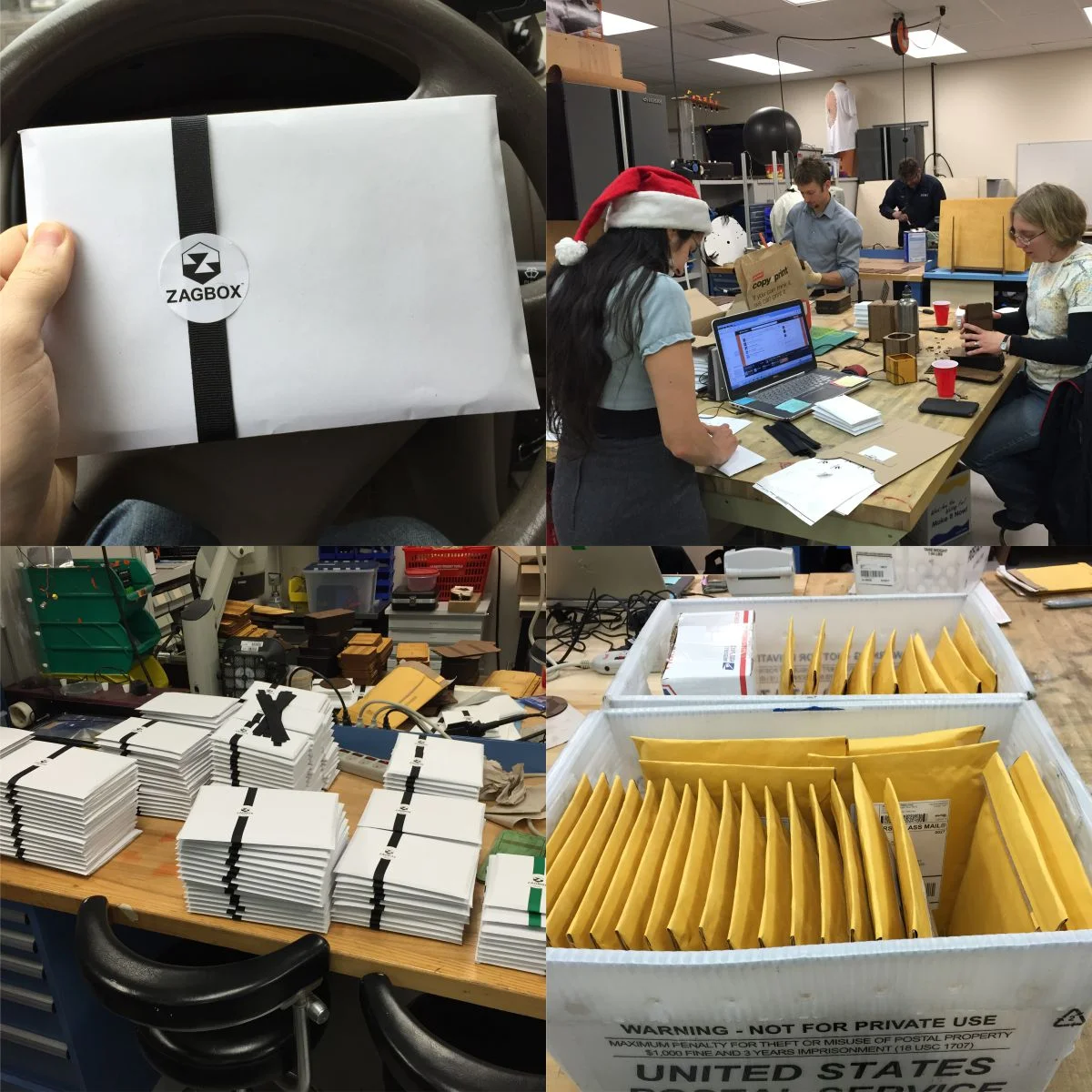
A significant number of boxes were promised before Christmas, and I rallied a number of friends to help complete the packaging process (bribery with Chinese food and beer may have helped).
My assembly instructions were inspired by Lego, and my goal was to make them so easy to assemble that even a kid who can’t read yet could do it!
Kickstarter:
Click the image to see the campaign on Kickstarter or go to kck.st/1p2pNlh
Footnote: Sustainability Details
“...sustainability isn’t just a sort of pretty, glamorous process of using recycled materials to design something that may or may not be in the color green. It’s about redesigning every single aspect, from sourcing materials, to designing, to production, to shipping, and then eventually designing a way that those products can be disposed of responsibly. That’s a mammoth task, so it’s no wonder that designers and manufacturers are finding it so difficult.”
I took this task to heart and conducted a detailed lifecycle analysis during the design process, carefully weighing the impact of each decision. Here is a short description of the choices and tradeoffs I made:
Sourcing: I put in a considerable amount of effort up front to investigate potential materials and ensure that they are produced responsibly and with minimal environmental impact. The primary material I used was reconstituted eucalyptus wood which is FSC-certified as renewably grown. The areas it is grown in harvest via selective thinning instead of clearcutting to reduce erosion and impact on wildlife. The process used to reconstitute the wood uses steam, heat, and pressure (primarily biomass powered- from unusable parts of the tree!) to grind down the wood and then reactivate its lignin (the “glue” that holds trees together) and fuse the cellulose fibers together. This gives the final material excellent anisotropic strength while containing no additives, unlike most composite wood products which use toxic urea formaldehyde adhesive.
After extensive research into finishes to protect the wood, I settled on shellac. This is a traditional wood finish derived from the protective shells excreted by Indian lac bugs, which are dissolved in alcohol. Shellac is commonly used as a food coating: look it up! (Contrast this polyurethane, the most common wood finish, which is synthetic polymers - aka plastic - dissolved in toxic and atmosphere-polluting petroleum distillates.)
Design: Maximizing the utility of a chosen material is an important concept in sustainable design, and constraining the number of materials in a design greatly simplifies sustainability accounting. I practiced this by designing my boxes to be multipurpose, as well as by using clever geometric design to exploit the properties of a single material. The boxes have a stiff top and bottom to securely hold their contents, and flexible sides to allow them to bend through corners, with dovetails which interlock so perfectly that the pieces need no fasteners or adhesive to make a durable container.
Production: I used wind energy to power the production process via RECs. The boxes were produced via energy efficient laser cutting, and take about as much energy to produce as microwaving a cup of coffee. I carefully designed each layout to minimize material wastage, and used the fringe of material that would have been wasted in cutting out each piece as the packaging to protect the box in transport.
Packaging and Shipping: The flat-pack layout of the boxes makes them very compact and tough during shipping, which minimizes the amount of packaging needed to protect them, and the fuel needed to ship and store them. This also considerably reduced the shipping cost. I used recyclable minimal paper mailing envelopes for online order packaging, and a recyclable polyethylene bag for retail display. Reducing packaging is important because it comprises about one third of landfill waste.
Disposal: Because Zagboxes contain no synthetic materials, they can be safely composted, burned, or re-purposed. Check with earth911.com to see how your municipality handles wood waste.
I believe the most significant tradeoff in the production of Zagbox was my choice of material. The eucalyptus is grown and processed on eucalyptus plantations in Brazil, although eucalyptus is endemic to Australia. Although the data is somewhat sparse on the environmental impact of eucalyptus in Brazil, it is generally not considered to be an invasive species there (non-native species don’t necessarily have an advantage over native species). An important factor in my decision to use this material was FSC’s endorsement of the material. FSC is considered the gold standard of sustainable forestry certification (unlike FSI, which was allegedly started by lumber companies and has more lax standards), and they also weighed all the above factors in their decision to endorse the material as sustainable.
Still, this is far from an ideal choice and highlights the tradeoffs of designing any “sustainable” product in the modern world. Perhaps a more optimal choice would be material harvested via selective cutting in a native eucalyptus forest in Australia (which wasn’t available). However, the mechanized harvesting process could certainly also have a detrimental effect on the natural eucalyptus forest, such as via root compaction or disruption of wildlife. Even to expand a native Australian eucalyptus forest into inland desert would cause some degree of disruption to the arid zone species and would presumably require significant water diversion from another habitat.
Given the commercially available choices, I carefully analyzed each, selected what I believed was the best, and leveraged its advantages to design a remarkably sustainable product.
The process of creating my first product and starting my first business was hugely transformative and continues to impact my design approach.